Special Hazard Fire Protection Systems
The Most Experienced And Knowledgeable Staff Members

This ensures that every fire sprinkler installation is completed professionally and with as few issues as possible.
Some buildings require a different approach to fire protection. Standard sprinkler systems and basic detection methods may not be suitable for certain environments where fire behavior, equipment sensitivity, or materials present a higher risk.
Special hazard fire protection systems are designed for these conditions. They combine detection, alarm response, and suppression methods that match the specific hazards present in a facility. These systems are commonly used in spaces where water-based suppression may cause damage, where fires can spread quickly, or where unique materials are present.
Columbia Fire works with facilities across Washington and Northern Idaho to design, install, inspect, and maintain special hazard fire protection systems. Our team supports both detection and suppression systems to help ensure reliable performance and code compliance.
What Is a Special Hazard Environment
A special hazard environment is any space where standard fire protection systems may not provide effective protection. These environments often involve sensitive equipment, hazardous materials, or conditions that increase fire risk.
Common examples include:
- Data centers and server rooms
- Commercial kitchens
- Industrial processing facilities
- Chemical storage areas
- Power generation facilities
- Aircraft hangars
- Laboratories and research spaces
- Manufacturing plants
- Battery storage systems
- Flammable liquid storage areas
Each of these environments requires a fire protection system tailored to the specific risks in that space.
Fire Protection for Special Hazards
Fire protection for special hazards extends beyond suppression. A complete system often combines detection, alarm signaling, and suppression into a coordinated response.
Detection systems identify the presence of smoke, heat, or gas at an early stage. Alarm systems notify occupants and monitoring services. Suppression systems respond based on the type of hazard and the environment.
This approach helps ensure that:
- Fires are detected quickly
- Alerts are transmitted without delay
- Suppression methods match the hazard type
- Equipment and property are protected as much as possible
Columbia Fire works with facility teams to ensure all parts of the system operate together correctly.
Types of Special Hazard Fire Suppression Systems

Different hazards require different suppression methods. The following systems are commonly used in special hazard fire protection.
Clean Agent Fire Suppression Systems
Clean agent systems use gas-based suppression to control fires without leaving residue. These systems are often used in environments where equipment damage must be minimized.
Common cleaning agents include:
- FM-200
- Novec 1230
- Halon (existing systems)
These systems are used in:
- Data centers
- Server rooms
- Control rooms
- Telecommunications facilities
Inert Gas Fire Suppression Systems
Inert gas systems reduce oxygen levels within a protected space to suppress fire. These systems do not leave residue and are suitable for areas with sensitive equipment.
They are commonly used in:
- Archives and storage facilities
- Electrical rooms
- Data infrastructure spaces
CO2 Fire Suppression Systems
Carbon dioxide systems suppress fire by displacing oxygen. These systems are effective in high-risk industrial environments but require careful design to address safety considerations.
Typical applications include:
- Industrial machinery spaces
- Power generation facilities
- Flammable liquid storage areas
Wet Chemical Fire Suppression Systems
Wet chemical systems are designed for commercial kitchen environments. They suppress grease fires and help prevent re-ignition.
These systems are commonly installed in:
- Restaurant kitchens
- Commercial cooking areas
- Food processing facilities
Dry Chemical Fire Suppression Systems
Dry chemical systems use powder-based agents to interrupt the chemical reaction of a fire. They are effective for certain industrial hazards.
Applications include:
- Fuel handling areas
- Mechanical rooms
- Industrial equipment protection
Foam Fire Suppression Systems
Foam systems are used where flammable liquids are present. The foam creates a barrier that suppresses vapors and helps prevent the spread of fire.
Common uses include:
- Aircraft hangars
- Fuel storage facilities
- Chemical processing plants
Water Mist Fire Suppression Systems
Water mist systems use fine water droplets to control fire while using less water than traditional sprinklers. These systems are suitable where water damage must be limited.
They are used in:
- Museums and archives
- Historic buildings
- Machinery spaces
Pre-Action Fire Sprinkler Systems
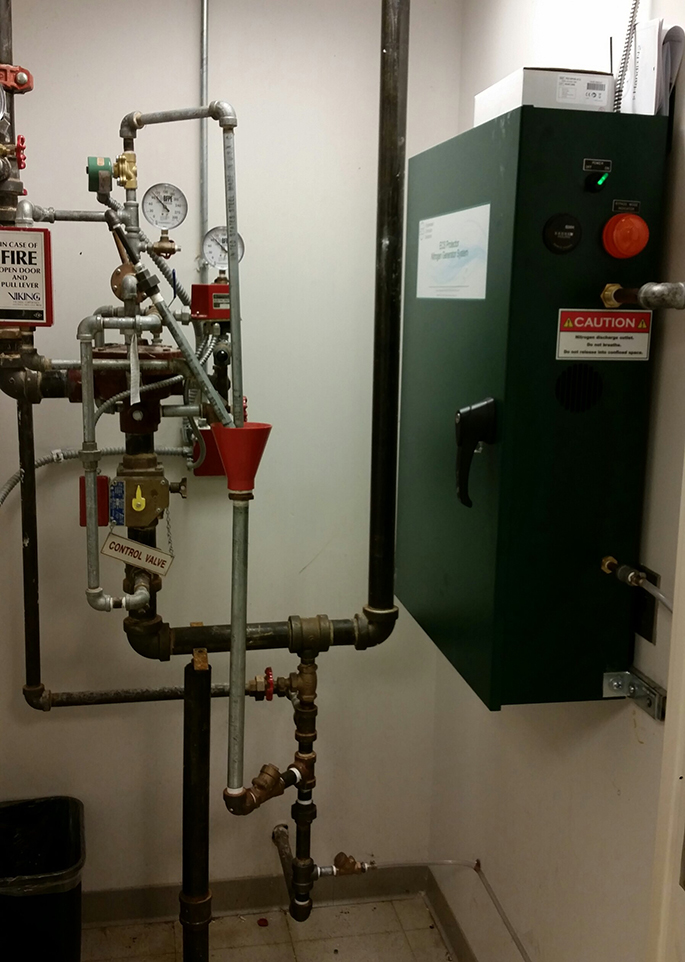
Pre-action systems require a detection event before water is released into the piping. This reduces the risk of accidental discharge.
These systems are often installed in:
- Data centers
- Libraries
- Sensitive storage areas
Deluge Fire Suppression Systems
Deluge systems release water through open sprinklers when activated. They are used in areas where rapid fire spread is a concern.
Applications include:
- Industrial processing areas
- High-hazard manufacturing spaces
Pre-Engineered vs Engineered Fire Suppression Systems
Special hazard systems are typically classified as either pre-engineered or engineered.
Pre-engineered fire suppression systems are designed for specific applications with defined parameters. They are often used in:
- Kitchen hood systems
- Small equipment enclosures
Engineered fire suppression systems are custom-designed based on the layout, hazard type, and facility requirements. These systems are commonly used in:
- Data centers
- Industrial facilities
- Large commercial environments
Selecting the right type depends on the hazard's complexity and the building requirements.
Detection and Alarm Systems for Special Hazards
Detection plays a critical role in special hazard fire protection. Early detection allows systems to respond before a fire grows.
Common detection methods include:
- Smoke detection systems
- Heat detection devices
- Aspirating smoke detection systems for early warning
- Gas detection systems in specific environments
Alarm systems connect detection devices to notification appliances and monitoring services. These systems help ensure that alerts are communicated to building occupants and emergency responders.
Columbia Fire ensures connection between detection, alarm, and suppression systems to help maintain a coordinated response.

Inspection, Testing, and Maintenance
Special hazard fire protection systems require regular inspection and testing to remain reliable. These systems must operate correctly when needed and meet code requirements.
Typical service includes:
- System inspections
- Functional testing
- Detection device verification
- Control panel checks
- Agent-level checks for suppression systems
- Repair and component replacement
Routine maintenance helps identify issues early and supports compliance with applicable standards.

Facilities That Use Special Hazard Fire Protection Systems
Special hazard systems are used across a wide range of facilities where standard protection methods are not sufficient.
Common facility types include:
- Industrial and manufacturing plants
- Data centers and technology facilities
- Healthcare and laboratory environments
- Energy and utility facilities
- Transportation and aviation facilities
- Commercial kitchens and food service operations
Each facility requires a system designed around its specific hazards.
Why Choose Columbia Fire for Special Hazard Fire Protection
Special hazard systems require careful planning and ongoing service. Columbia Fire supports facilities with systems that address complex fire risks.
Our team provides:
- Experience with multiple suppression system types
- Support for both detection and alarm integration
- Inspection and testing for compliance
- System repair and maintenance
- Service across Washington and Northern Idaho, including Seattle, Spokane, Bellevue, Saint Maries, and more
We work with building owners, facility managers, and contractors to maintain fire protection systems that perform as expected.
Contact Columbia Fire for Special Hazard Fire Protection Systems
Facilities with special hazards require systems that match the risks present. Detection, alarm, and suppression must work together to provide reliable protection.
Columbia Fire provides design, installation, inspection, and maintenance for special hazard fire protection systems. Our team can evaluate your facility and recommend the appropriate system based on your environment.